Why It Feels Like We Are Conscious
826450432, Feb 16, 2026
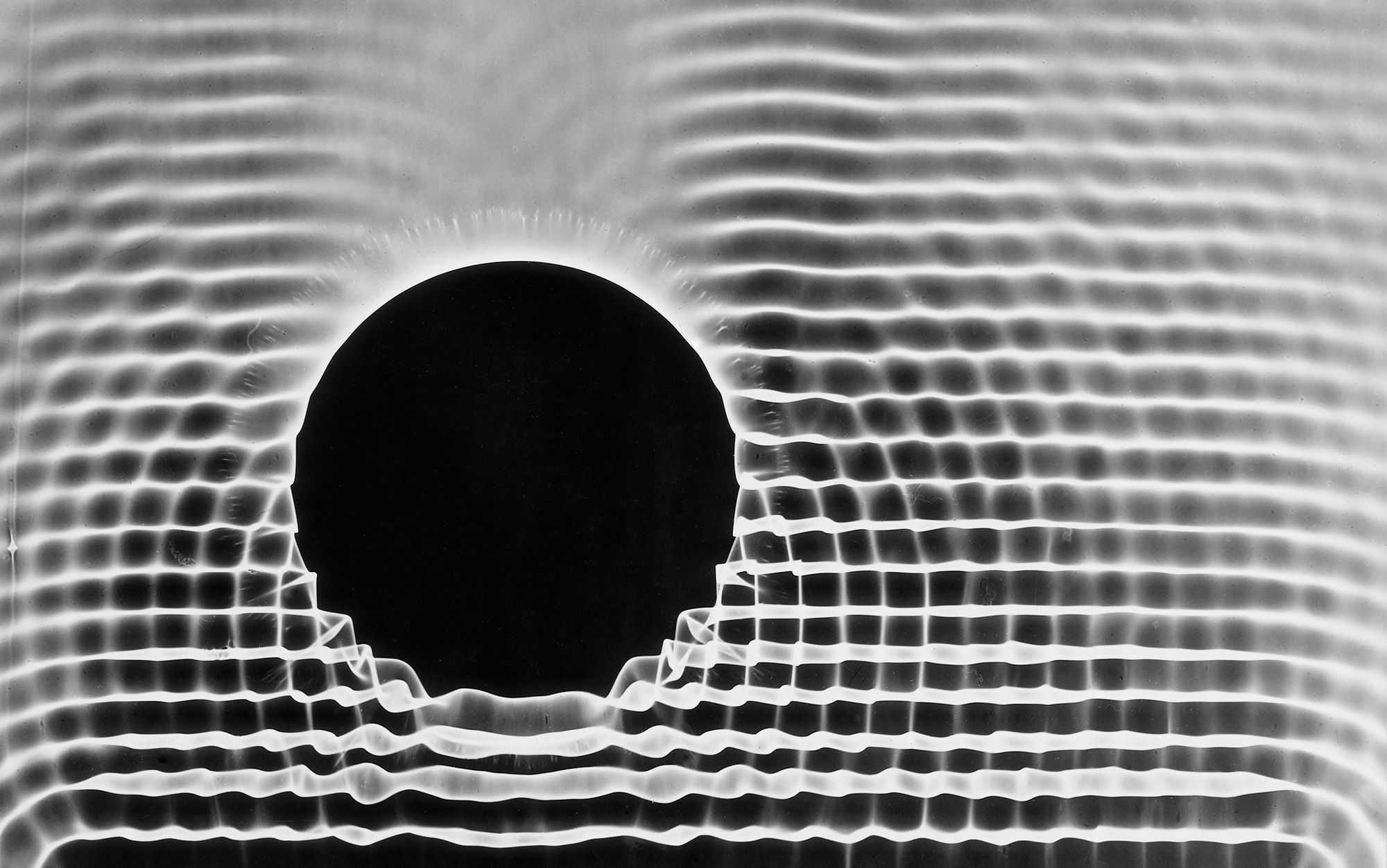
Consciousness isn't something you're born with fully formed—it's something that grows, peaks, and fades, much like any biological process. Watch a child trying to hold attention on a single task, or an elderly person struggling to track rapid change, and you'll see the same thing: a brain either not yet wired or too rigidly wired to process the difference between what it already knows and what's new. That difference—the delta between one moment of observation and the next—is where conscious experience lives.
The brain's job is to detect change. When you're young, your neural circuits haven't solidified enough to form a reliable baseline, so distinguishing signal from noise is hard. When you're old, those circuits have calcified into fixed patterns—great for familiar territory, but poor at adapting to new information. In between sits the peak: a brain with enough structure to have expectations and enough flexibility to notice when reality violates them. The bigger the gap between what you predicted and what you perceive, the more vivid the conscious experience.
This framing suggests something practical. If consciousness is driven by the detection of change, then default routines are its enemy. Chase novelty—not recklessly, but deliberately. Push your body into VO2 max territory, where your brain can't coast on autopilot. Force your mind to rewrite its configuration rather than running the same script. The more you expose your circuits to genuine surprise, the more present you become.